
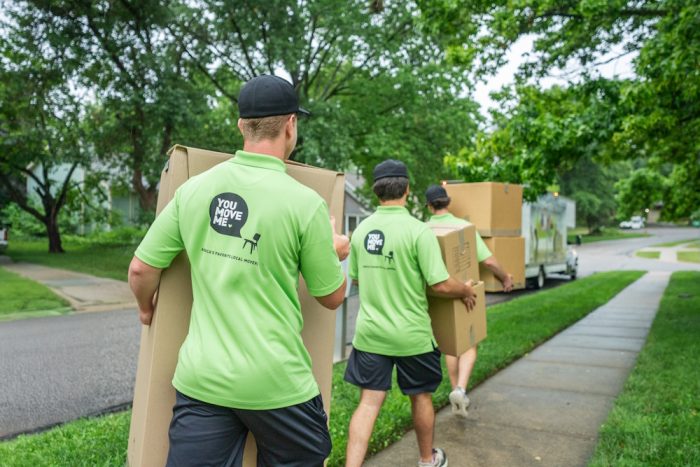
Quick Answer: Moving into a hillside home in Cincinnati means planning the truck, the carry, and the weather around the grade. We scout the street and driveway before move day, chock and stage the truck on the safest slope, protect railings and porch steps, and run the carry in a way that keeps your crew upright and your furniture unscratched.
Moving into a hillside home in Cincinnati is a different job than moving into a flat suburb. This is the City of Seven Hills, and the houses with the best views sit on the steepest lots. Driveways climb at angles that scare rental trucks. Front doors sit two flights of concrete steps above the sidewalk. Garages tuck under the house while the living room sits a full story higher. Our crews move on these hills every week. Here is how we handle each part of it.
Why Cincinnati’s Hills Change the Whole Plan
On a flat lot, the truck backs up to the door and the carry is twenty feet. On a hillside lot, the truck may have to stop on the street below, and every item travels up a driveway, across a terrace, and through a gate before it reaches the house. The carry gets longer, and the footing gets worse. Gravity works against you on the way in and pulls at heavy pieces on the way out. A good hillside move starts with scouting, not with lifting. We look at the lot, the street, and the approach before the truck ever leaves the yard.
The Neighborhoods Where This Matters Most
- Mt. Adams. Narrow one-way streets, tight switchbacks, and rowhouses stacked up the hill above downtown. Truck placement is the whole puzzle here.
- Clifton. Big Victorian homes in the Gaslight District with deep, steep front lawns and long walkways from the curb to the porch.
- Price Hill. West-side hillside streets around the old incline, with houses that drop away below the road and garages far beneath the front door.
- East Walnut Hills. Tiered lots off Madison Road, retaining walls, and driveways that curve out of sight before they reach the house.
The east-side suburbs have their own version. Anderson, Kenwood, and Milford are full of wooded lots with driveways that climb or dive from the road.
Parking the Truck on a Grade
A 26-foot truck on a steep street is a safety problem before it is a moving problem. We scout where the truck can sit level enough to load safely, which sometimes means a spot around the corner instead of right out front. On the hill, we chock the wheels, set the ramp on the downhill side, and keep the truck door facing away from traffic. In Mt. Adams and parts of Clifton, the streets are one-way and barely wide enough for two cars. We check the direction of travel and plan the approach so the truck never has to back down a hill.
Driveways and Tiered Lots
Some hillside driveways are too steep for a loaded truck to climb without scraping the tail or spinning the wheels. When that happens, we stage the truck at the bottom and shuttle furniture up with dollies and hand trucks. Tiered lots add retaining walls, garden steps, and gates to the path. We walk the whole route first and clear it of anything that could catch a corner. A garage under the house means every heavy piece goes up an interior staircase or an outside path, and we pick whichever one is safer for the item, not the faster one.
Street Stairs and Porch Steps
Cincinnati has hundreds of public stairways cut into its hillsides, and plenty of homes are reached only by them. Concrete steps get slick with leaves, rain, and ice. Wooden porch steps flex under a loaded dolly. We add non-slip mats where the surface is bad, pad railings on both sides, and carry long pieces with two people front and back so nobody is walking backward down a flight blind. Sofas that will not turn at the top of a stairway get handled the way we described in our post on what to do when the couch does not fit.
Protecting the House on a Slope
Hillside homes tend to be older, and older means original woodwork, plaster corners, and tile that cannot be matched. We wrap railings, cap newel posts, lay runners on every floor the crew will cross, and use door jamb guards at each threshold. The goal is that the only thing different about the house at the end of the day is that your furniture is in it. If something does get bumped, our post on what happens if movers break something explains exactly how we handle it.
Weather on the Hills
The same slope that gives you the view holds water and ice longer than the flats. Spring rain turns driveways into streams, and a January morning can leave a hillside street glazed until noon. We watch the forecast for every hillside job and shift start times when it makes sense. On the coldest days we bring extra floor protection and salt the walkway before the first carry.
How This Fits With the Rest of the City
Hillside houses and historic rowhouses often go together. If your new place is in Over-the-Rhine or one of the old brick neighborhoods below the hills, our guide to moving historic homes in Over-the-Rhine covers the inside of the building: narrow stairs, no elevators, and front doors on the sidewalk. Our local movers in Cincinnati handle both, and our packing services can wrap the fragile rooms so the long carry does not cost you a single glass.
Tell Us About the Hill
When you request your estimate, tell us the street and describe the driveway. Better yet, walk it with us on a virtual survey. We will plan the truck, the carry, and the crew size around your lot, then give you an hourly rate and a flat one-time travel fee with no hidden charges and no hillside surcharge. Request a free estimate, or call You Move Me Cincinnati at (513) 914-3800. America’s Favorite Local Movers bring the coffee, and we do not mind the climb.